
Greenwald Realty Team • May 20, 2025

You’ve finally found the perfect home. You can already imagine yourself living there—planting flowers in the garden, hosting family dinners, or sipping coffee on the porch. Before you pick out paint colors or furniture, though, pause for a moment. Do you know who truly owns the property you’re about to buy?
At Greenwald Realty Team, we’ve seen many homebuyers surprised by complicated ownership histories.
Understanding the chain of title can save you from such headaches. But what is chain of title in real estate, and why does it matter when buying property?
Let’s break down exactly what this means for your next property purchase, especially when dealing with inherited homes or probate sales.
For more insights into buying your dream home safely, visit the Greenwald Realty Team.
So, what is chain of title exactly? Think of the chain of title in real estate as your property’s full story, from the very first owner to the current seller. It’s like a historical timeline that records each sale, inheritance, mortgage, or legal action associated with the property.
Each of these transactions leaves behind official documentation, creating a detailed and verifiable record.
Why is this important? Well, imagine buying your dream home, only to later discover someone else has a valid claim because of unclear past ownership. Having access to the property title history prevents these scenarios, ensuring no hidden surprises surface after you’ve moved in.
The records that form the chain of title are stored in local public records, usually maintained by the county recorder’s office. Anyone interested in the property can access these documents, making it easy to verify ownership history. This transparent system helps buyers, sellers, lenders, and real estate professionals alike.
Additionally, checking the chain of title can reveal if there are outstanding debts or obligations tied to the property.
Issues such as tax liens, unpaid mortgages, or pending legal actions could otherwise become your responsibility as the new owner. A thorough review ensures that all such concerns are resolved before completing the purchase.
In short, understanding the chain of title isn’t just helpful—it’s essential. It protects your investment, provides peace of mind, and helps avoid legal headaches down the road.

Checking the chain of title verifies that the seller legally owns the property they’re selling.
This thorough examination involves going through historical documents, recorded deeds, and past transactions to confirm ownership continuity. It ensures there are no unresolved issues or hidden complications, such as undisclosed liens or legal judgments, which might impact your ownership rights in the future.
A detailed review often uncovers important issues such as outstanding mortgages, unpaid property taxes, or legal actions like court judgments.
These hidden problems, if not identified and resolved early, could significantly disrupt your property purchase or lead to costly legal battles later on. Even small discrepancies, such as incorrectly filed paperwork or errors in documentation, might result in ownership disputes and lengthy legal proceedings.
By conducting a thorough title search, you proactively protect your interests, reduce risks, and secure your investment. This step ensures clarity and certainty, safeguarding your rights as the new property owner and offering peace of mind that your home purchase will remain free of complications.
When you purchase a home, every ownership change is recorded in public records, creating a real estate title chain that documents each transfer of ownership. These records are available for review, and real estate agents and title companies meticulously examine them to ensure the chain of ownership is solid and unbroken.
Think of the process as creating a timeline that tracks every significant transaction and event associated with the property.
Each link represents a change in ownership or legal status, such as a sale, transfer of inheritance, or legal dispute. For the chain to be valid, each record must connect seamlessly. If there’s a missing link or incomplete documentation, it could indicate potential issues that may complicate your transaction.
For example, the chain might look something like this:
However, any missing records or discrepancies in this ownership history—whether through unrecorded sales, improperly filed deeds, or incomplete documentation—must be resolved before proceeding with the purchase. A thorough title search in real estate is essential to uncover any gaps and ensure the property has a clean title.
This process safeguards you from potential legal disputes, liens, or claims that could disrupt your ownership rights in the future.
| Aspect | Title Search | Chain of Title |
| Definition | A process of examining public records to verify legal ownership | The complete historical record of ownership transfers over time |
| Purpose | To confirm the current legal owner and uncover any title issues | To track and validate the full sequence of past owners |
| Used When | During property transactions, especially before closing | When establishing long-term property history or resolving disputes |
| Conducted By | Title companies or real estate attorneys | Title companies, legal professionals, or during court proceedings |
| Key Focus | Current status of the title (liens, encumbrances, ownership) | Historical continuity of ownership from the original owner to now |
| Outcome | Title report and recommendation for title insurance | Evidence of a clean and unbroken transfer of ownership |

Breaks in the chain of title are serious issues that arise when ownership records are lost or deeds go unrecorded. These gaps can occur due to errors in documentation, missed filings during property transfers, or improper record-keeping by previous owners.
When breaks appear, they leave a disconnect in the property’s ownership history, creating uncertainty over who actually owns the property. A property with an incomplete or missing chain is at risk of future legal challenges, where a third party might claim ownership based on missing documentation or unclear records.
For example, a property may have been passed from one person to another, but the deed for the transfer was not recorded or was filed incorrectly.
This missing deed could potentially prevent the current owner from having a valid legal claim to the property. Resolving breaks in the chain often involves tracking down missing records and ensuring that every transaction is properly documented.
Failure to address these breaks before purchase could lead to lengthy legal battles or disputes over ownership down the road.
Undisclosed liens or judgments are financial claims attached to the property by creditors, and they can pose significant risks for new buyers.
These can include unpaid mortgages, property taxes, or even judgments resulting from lawsuits that are tied to the property.
The problem with undisclosed liens is that they might not be immediately visible during the purchase process. Sellers might not always disclose these obligations, or they could be missed during initial reviews, leaving the buyer unaware of the existing claims.
For instance:
A comprehensive title search helps uncover these hidden claims before the purchase is completed.
If any liens or judgments are discovered, they must be resolved before transferring ownership. Without addressing these issues, the buyer could inherit unwanted financial obligations, leading to disputes and potentially the loss of the property.
In the world of real estate, forged or fraudulent documents create a host of problems as they can compromise the integrity of property ownership altogether. This can occur when a deed or transfer document is signed by someone other than the rightful owner or if documents are falsified entirely.
Forged signatures or unauthorized transfers might seem legitimate at first glance, but they put the true ownership of the property in question.
For example, it is possible for an individual to claim an ownership stake over a house by fraudulently putting the seller’s purported signature on a deed submitted to the local deeds registry. Such fraudulent transactions do not only happen at the private level. They can take place at the level of nationwide public records, where they are kept for reference.
Detecting this type of fraud requires a thorough title search, where each document in the chain of title is checked for authenticity.
The title company will verify the legitimacy of the signatures and ensure that all transfers were properly authorized.
If forged documents are discovered, legal action may be necessary to reverse the fraudulent transaction and restore the rightful owner’s claim. Title insurance can also help protect the buyer in such cases, ensuring that they don’t lose their property if fraud is uncovered after the sale.
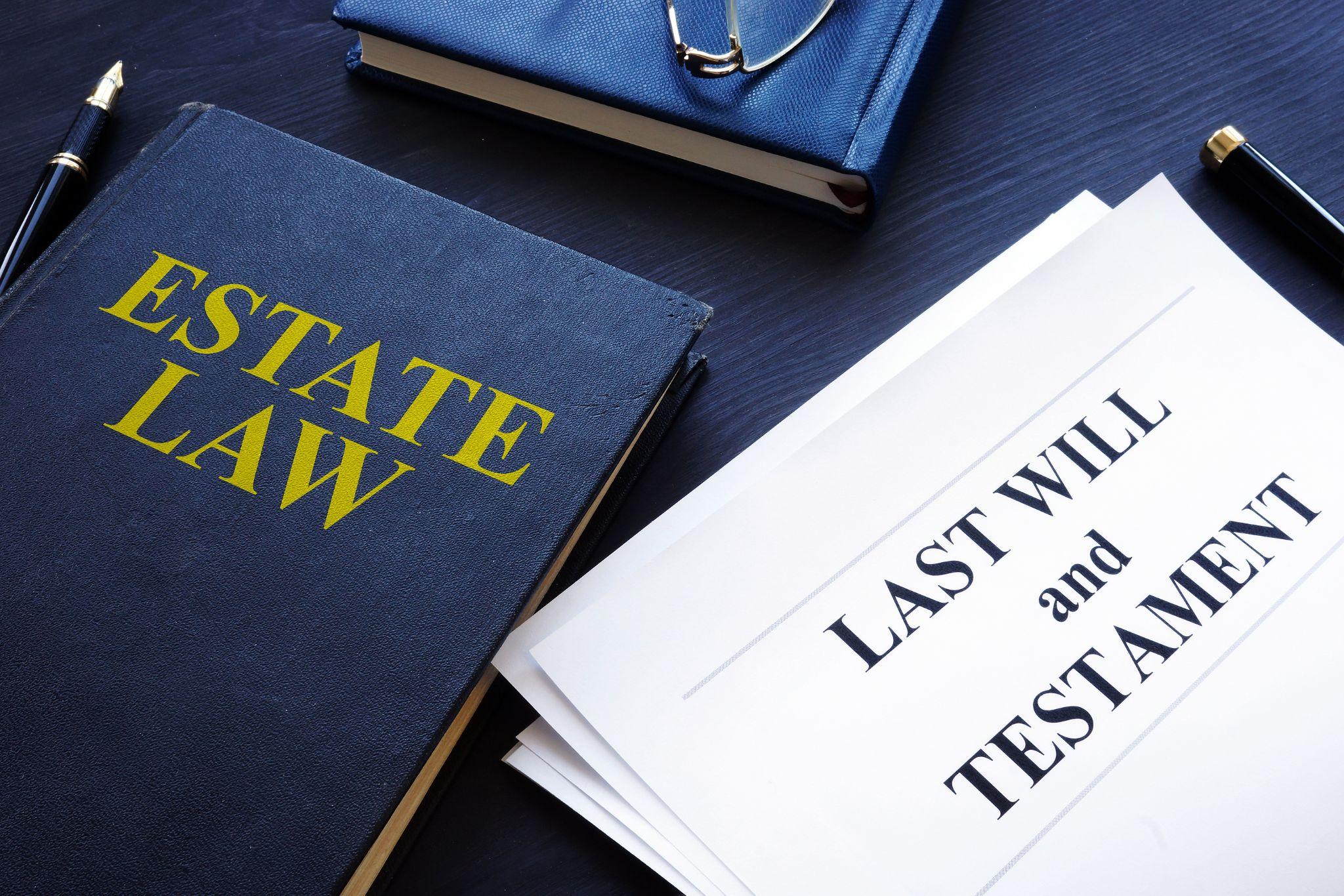
Curious to know how to check the chain of title? You can begin by exploring public records online – most counties have online databases to which you can access deeds. But let’s be real: reading legal documents is like reading a novel in a foreign language. That’s where professionals come in.
At Greenwald Realty, we recommend:
Begin with your county’s recorder website, but don’t go it alone – let the experts do the heavy lifting.
Source: Investopedia
Title problems can throw a wrench in your plans. A lien might delay closing until it’s paid off. A missing deed could cancel the sale entirely. At Greenwald Realty, we’ve seen buyers walk away from deals when title issues in probate couldn’t be resolved quickly.
If issues pop up, you’ve got options:
We work with title companies to resolve issues fast, so you can close with peace of mind.
Title checks are especially important in probate sales because these transactions often involve layers of legal complexity that standard property sales do not.
When a property owner passes away, the ownership may transfer to heirs, beneficiaries, or a trust—but that process is not always straightforward. Without a proper title check, buyers risk stepping into unresolved issues like unpaid liens, unclear ownership claims, or disputes among multiple heirs.
In many probate cases, the person selling the home may be an executor, administrator, or relative who is unfamiliar with the property’s full legal history. They might not know if the deed was ever updated, if the mortgage was fully paid, or if a sibling or other heir still has legal rights to the property. That uncertainty can lead to delays, legal battles, or even failed sales if not addressed early.
This is where the Greenwald Realty Team stands out. With years of experience in probate and trust real estate, our team understands the importance of navigating title checks carefully and thoroughly. We work closely with attorneys, title companies, and families to resolve ownership questions, clear title issues, and ensure a smooth sale from listing to closing.
For buyers and sellers alike, having experts who understand the sensitive nature of probate transactions—and the legal hurdles involved—can make all the difference.
Title insurance is like a safety net. It protects you from issues in the chain of title that pop up after you buy, like a long-lost heir claiming ownership or a lien that no one caught. There are two types:
We urge every buyer to get the owner’s title insurance. It’s a one-time cost that covers you for as long as you own the home. Without it, you’re on the hook for any real estate title chain problems that arise.
Source: Lexology
| Term | Definition | Key Features | Importance in Real Estate |
| Clean Title | A title with no liens, disputes, or legal issues attached. | – No encumbrances – No pending claims or debts – Properly recorded history |
Indicates full ownership with no known problems; ideal for a smooth transaction. |
| Clear Title | A title that is free from doubt or legal question about the owner’s right to sell. | – Legally undisputed – Owner has authority to transfer the title – May still need clearing of old records |
Ensures there are no legal obstacles to ownership transfer at closing. |
| Main Difference | “Clean” refers to absence of issues; “Clear” refers to legal right to sell. | Clean = No known problems Clear = Ownership is not legally challenged |
A title can be clean but not clear, or vice versa—both are essential for safe buying. |
Buying a home is exciting, but title issues can turn your dream into a nightmare. Our team has spent years navigating our clients’ chain of title challenges, especially in probate and trust sales. Whether you’re an executor sorting out an estate or a first-time buyer, we make the process smooth and stress-free.
Our team:
Ready to buy with confidence? Contact us today to ensure your chain of title is rock-solid.

The chain of title is the foundation of any real estate purchase, proving the home you’re eyeing is legally yours and free from hidden issues. A thorough title search in real estate, paired with title insurance, is your best defense against surprises, especially in complex probate or estate sales.
Before you sign those papers, ask yourself: Do you have the right team to ensure your real estate title chain is solid? At Greenwald Realty, we specialize in guiding buyers like you through every step, from spotting potential pitfalls to closing with confidence.
Let us handle the details so you can focus on making that house your home. Reach out today for a purchase you can trust.
The chain of title describes the history of ownership for a property as it is documented in public documents and deeds. It shows the way the title was passed from one owner to another.
Think of it as a history of legal ownership of your dream home. Understanding what a title search is and how to perform one is important, as it ensures that your title is validated in the real estate title chain.
We verify the chain of title prior to acquiring a property to avoid surprises and ensure they are solid.
With a clean chain of title, the seller legally owns the property, which protects you from disputes, liens, and fraud.
Skipping due diligence on this step risks receiving someone else’s issues, such as unpaid taxes. Understanding how to check chain of title through a title search is necessary. Our team can guide you through the clean title vs clear title debate, meaning no defects in the real estate title chain, so you buy with confidence.
You can engage a title company or an attorney to do a real estate title search. This kind of search typically goes deep into public records for ownership history.
If you want to handle it yourself, you can begin by searching your county’s online database, but it is difficult without experience.
Greenwald Realty collaborates with pros to confirm the chain of title. A comprehensive title search activity guarantees that your real estate title chain is free of problems prior to closing.
In probate sales, title issues may arise due to the lack of deeds, absence of wills, or disagreement among heirs, which makes the chain of title complex.
A title search in real estate is one way of discovering such problems. At Greenwald Realty, we know how to check the chain of title in complex cases, which guarantees that the real estate title chain is not broken.
We make the probate purchase easy and secure by solving all the problems encountered during a title search.
What is a title search? A title search is an exhaustive review of the public records to check the legal ownership history of a property and any problems that might exist that could hinder the sale of the property.
These problems could be unpaid taxes, liens, easements, boundary disputes, claims by missing heirs, etc. The objective is to make sure that the seller is able to legally transfer ownership and that the buyer is getting a clear, marketable title.
Sign up to receive News and Updates from the Greenwald Realty Team.



© 2025 Greenwald Realty Team All Rights Reserved


